
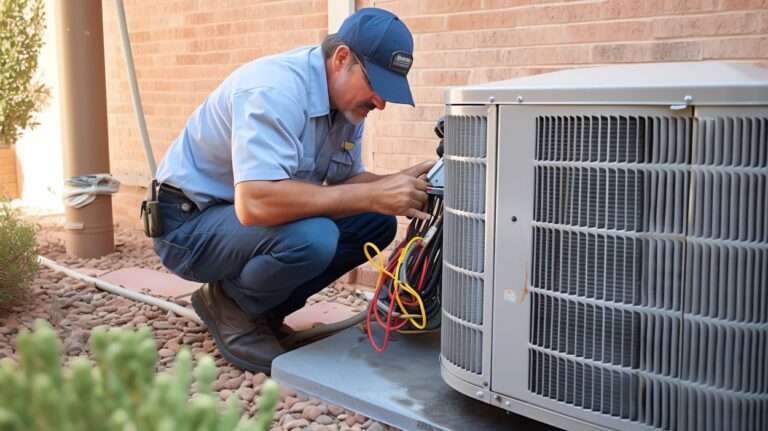
Heating and cooling make up nearly half of the average home’s energy use in the United States. In Fayetteville, NC, where summers are long and humidity hangs in the air, your HVAC system rarely gets a break. It runs hard to keep indoor spaces cool and comfortable. With the right approach, though, it’s possible to lower energy use, improve comfort and help your system last longer.
Invest in Routine HVAC Maintenance
Split HVAC systems depend on two main components working in sync: the indoor air handler and the outdoor condenser. When they are clean and properly calibrated, everything runs smoothly. Over time, however, dust collects, electrical parts wear down, and refrigerant levels can drop. When that happens, the system must run longer and work harder just to keep up.
Seasonal preventive maintenance helps prevent that slow decline. A professional technician inspects coils, checks refrigerant charge, tests safety controls, and confirms steady airflow. Scheduling regular HVAC maintenance reduces unnecessary strain and supports better humidity control during Fayetteville’s humid months. It is a simple step that protects both comfort and efficiency.
Know When to Upgrade an Aging HVAC System
If your HVAC system is 10 to 15 years old, it may no longer meet today’s efficiency standards. Even with consistent service, parts naturally lose performance over time. That gradual decline often shows up as rising utility bills, uneven cooling or longer run cycles. Modern high-efficiency systems are designed to respond more precisely to your home’s needs.
Many include two-stage compressors or variable-speed technology, allowing output to adjust to demand rather than running at full power. When properly sized for your Fayetteville, NC, home, these systems maintain more consistent temperatures and improve moisture control. Professional HVAC Installation in Sanford, NC ensures the equipment matches your home’s exact load requirements, resulting in noticeable performance improvements.
Optimize Comfort with Ductless Zoning Systems
Not every home cools evenly. Some rooms always feel warmer, others stay chilly. Ductless HVAC systems offer a practical solution by allowing independent temperature control in specific areas. Instead of conditioning the entire house at the same level, zoning provides targeted control where it is needed most.
This option works especially well for converted garages, bonus rooms, or additions that were not part of the original ductwork design. Because only occupied spaces are conditioned, a professionally installed ductless HVAC system reduces wasted energy while improving day-to-day comfort. It is a flexible approach that adapts to how the home is actually used.
Improve Thermostat Strategy and Daily Usage Habits
Thermostat settings directly influence how long your system runs. During Fayetteville summers, raising the thermostat a few degrees while the home is empty can significantly cut energy consumption. A programmable or smart thermostat makes those adjustments automatic, so efficiency does not depend on manually adjusting settings.
Closing supply vents in unused rooms may seem helpful, but it can create pressure imbalances and strain the system. Maintaining steady settings and allowing the HVAC system to operate as designed supports balanced airflow throughout the home.
Control Indoor Humidity for Peak Cooling Efficiency
Humidity plays a key role in how comfortable your indoor air feels. When moisture levels rise, the air feels warmer than it actually is. That often leads to lowering the thermostat, which increases energy use.
Your HVAC system removes moisture during the cooling process, draining condensation through a line near the air handler. Keeping the drain line clear and ensuring regular professional service help the system manage humidity effectively. In Fayetteville’s climate, balancing temperature and moisture is essential for true comfort and long-term efficiency.
Frequently Asked Questions About HVAC Efficiency
How often should HVAC systems be serviced?
Most systems benefit from professional maintenance twice a year, typically in spring for cooling and fall for heating.
What temperature should be set during summer?
Many energy experts recommend around 78 degrees when at home and a few degrees higher when away, depending on comfort preferences.
How long does a typical HVAC system last in North Carolina?
With regular maintenance, most systems last about 10 to 15 years. Climate conditions and usage patterns in Fayetteville, NC, can influence lifespan.
Are ductless systems energy efficient?
Yes. Because ductless systems allow targeted conditioning, they often reduce energy waste in areas that do not require constant heating or cooling.
Quick Recap: Ways to Improve HVAC Efficiency
- Schedule professional HVAC maintenance twice a year
- Replace aging systems that no longer meet efficiency standards
- Consider ductless zoning for targeted comfort control
- Use programmable thermostat settings strategically
- Address humidity to prevent unnecessary cooling demand
Improving HVAC efficiency in Fayetteville, NC begins with consistent habits and informed decisions. Routine service, timely upgrades, and ductless zoning strategies can all contribute to better comfort and lower energy use. To schedule expert HVAC maintenance, contact SureTemp Mechanical, Inc. and keep your system performing at its best throughout the year.